
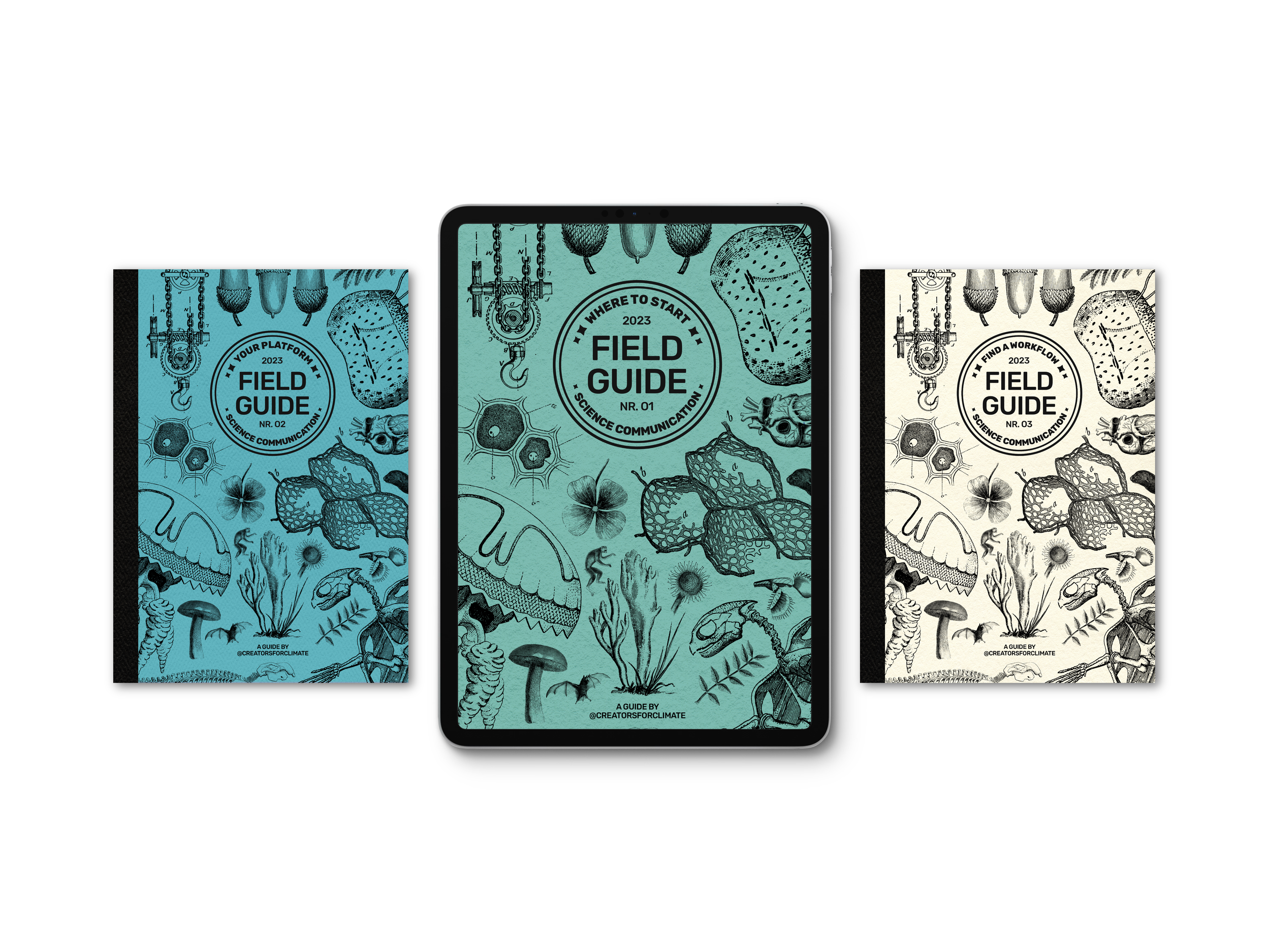
Download your Guides.
Know where to start
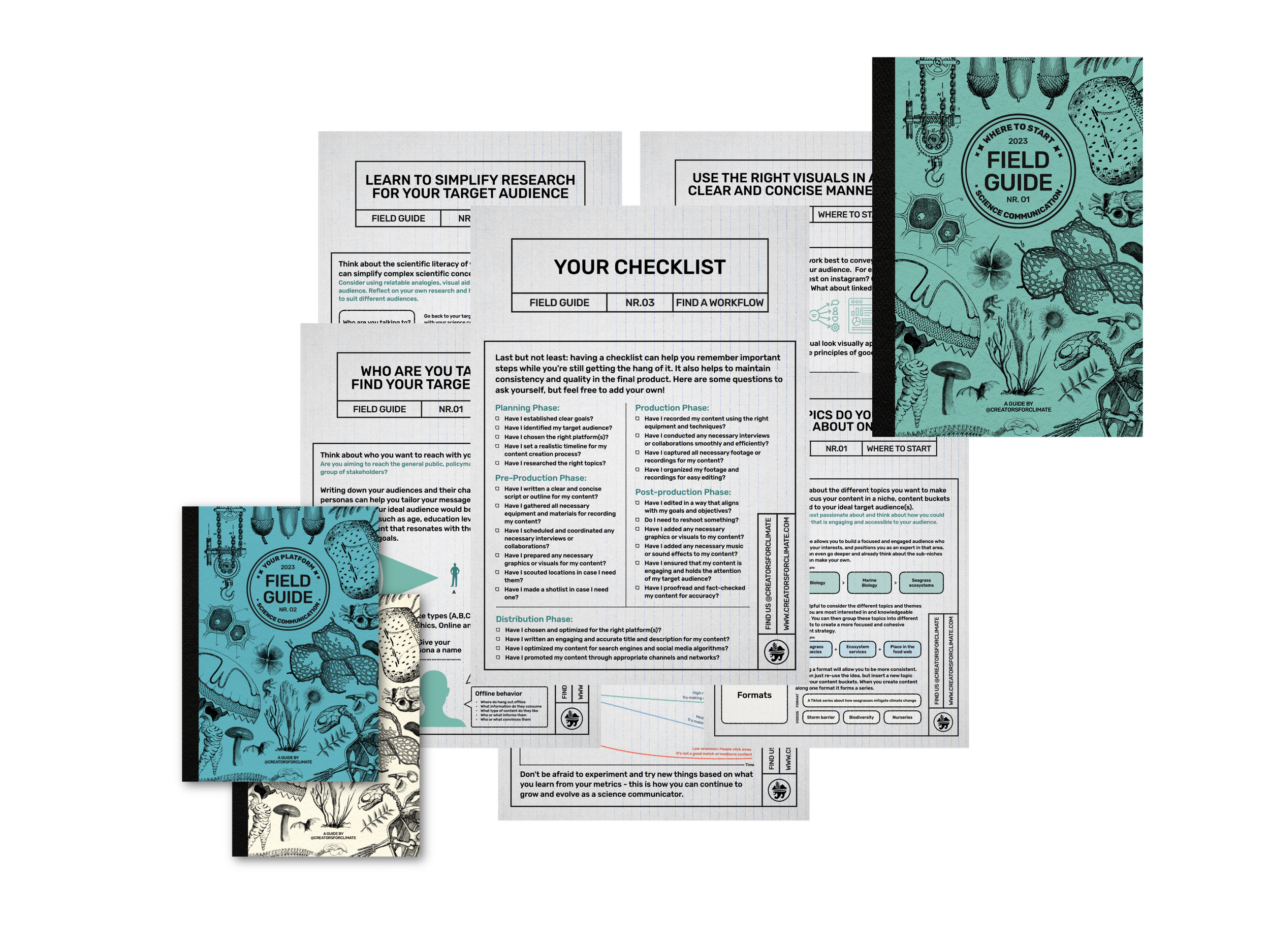
Get in helicopter view
These guides we’re written to give every scientist a helicopter view of what it takes to communicate science online. Learn about:
Why we need more science creators
How to find your audience
What topics you should talk about
What platforms are a right fit for your content
What the production process looks like for science content
Gear and apps you need to get started
A quick guide
Keep these guides close by as you embark on your journey. As a real field guide, they are best to reference when you’re working on your own content. It’s handy to have a quick peek what to do next. With practice you’ll outgrow these and you’ll be way on your way to show the world what your research is about!
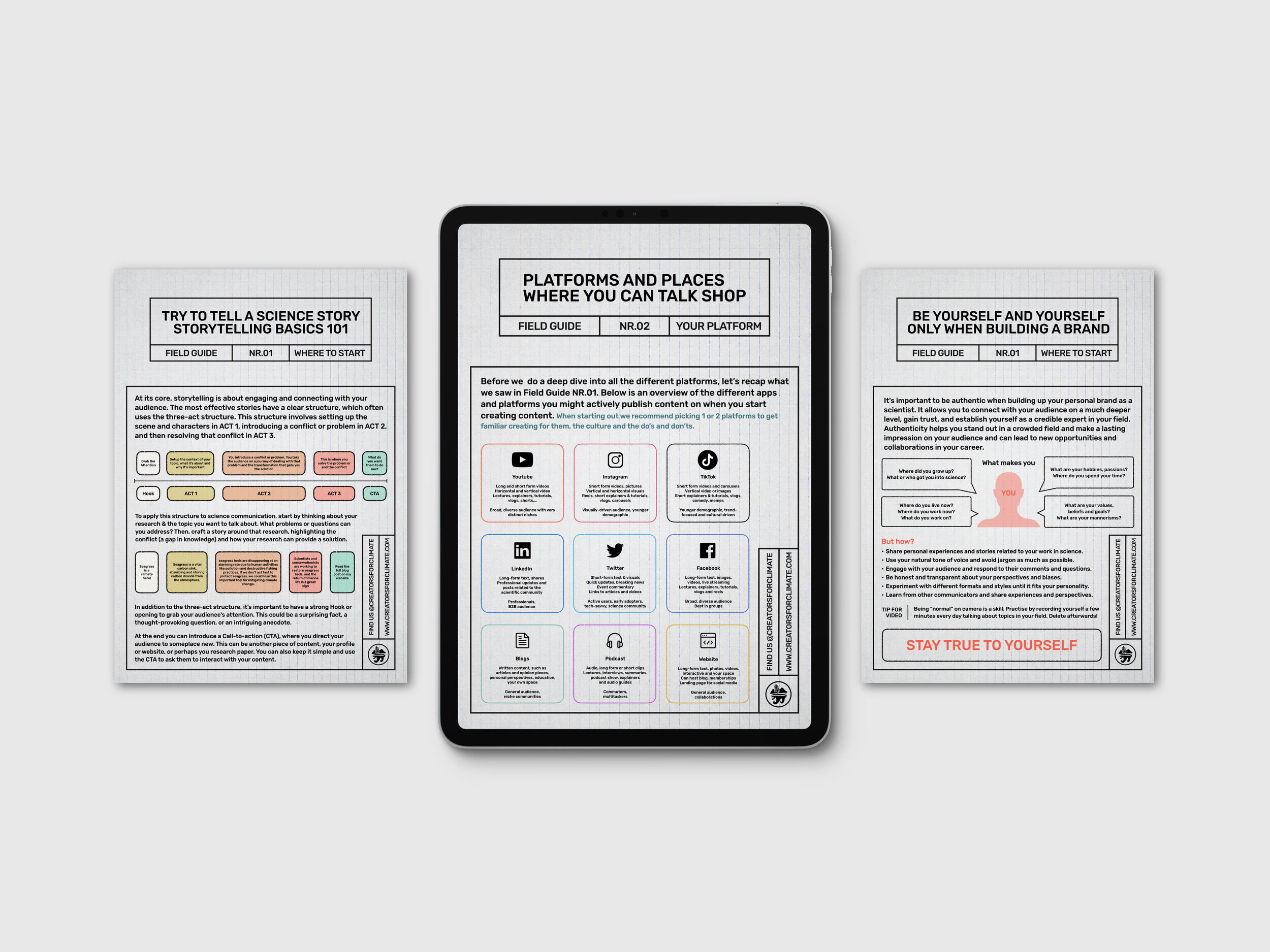
Elevate Your Science Communication.
These Field Guides are designed to help scientists and researchers improve their communication skills and reach a wider audience online.
Here’s what to expect:
NR.01: Where to start
NR.02: What platform is right for you
NR.03: Finding a production workflow
N4.04: Gear and apps
Download your Guides here.
NEW

AN INTRO TO
SCIENCE COMMUNICATION
Once you complete this workbook, you should have an understanding of the basics of online science communication, know your strengths and have a plan ready to get started!
More about science communication
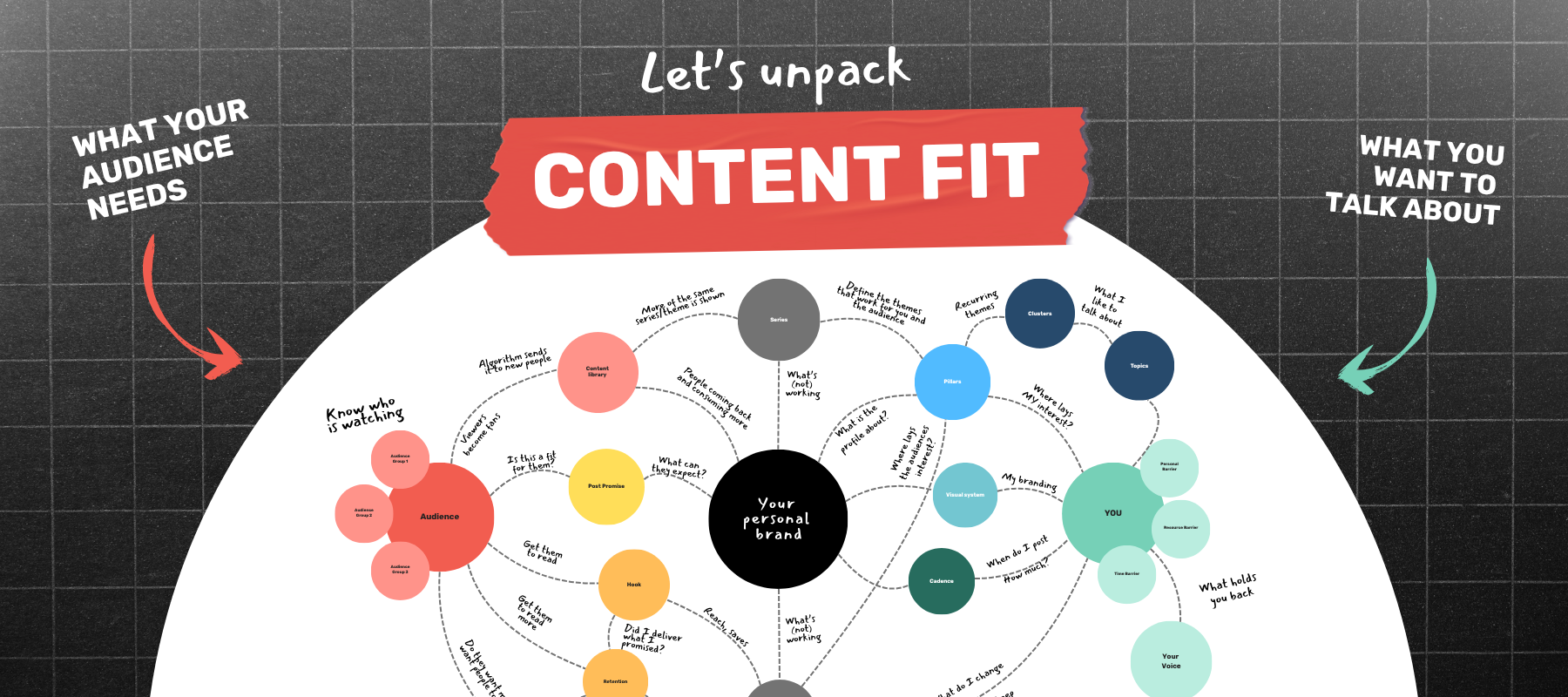
We just finished a month of intensive coaching across a handful of projects. All solo creators or science communicators working on climate and science content. People with different goals, different platforms, but all kind of dealing with the same pain point: a mismatch in content fit. That’s what I want to get into with this article. Over a sprint of 4 sessions we saw how those puzzle pieces clicked into place. And as a result, every step got easier. This is the distilled playbook of all those sessions.
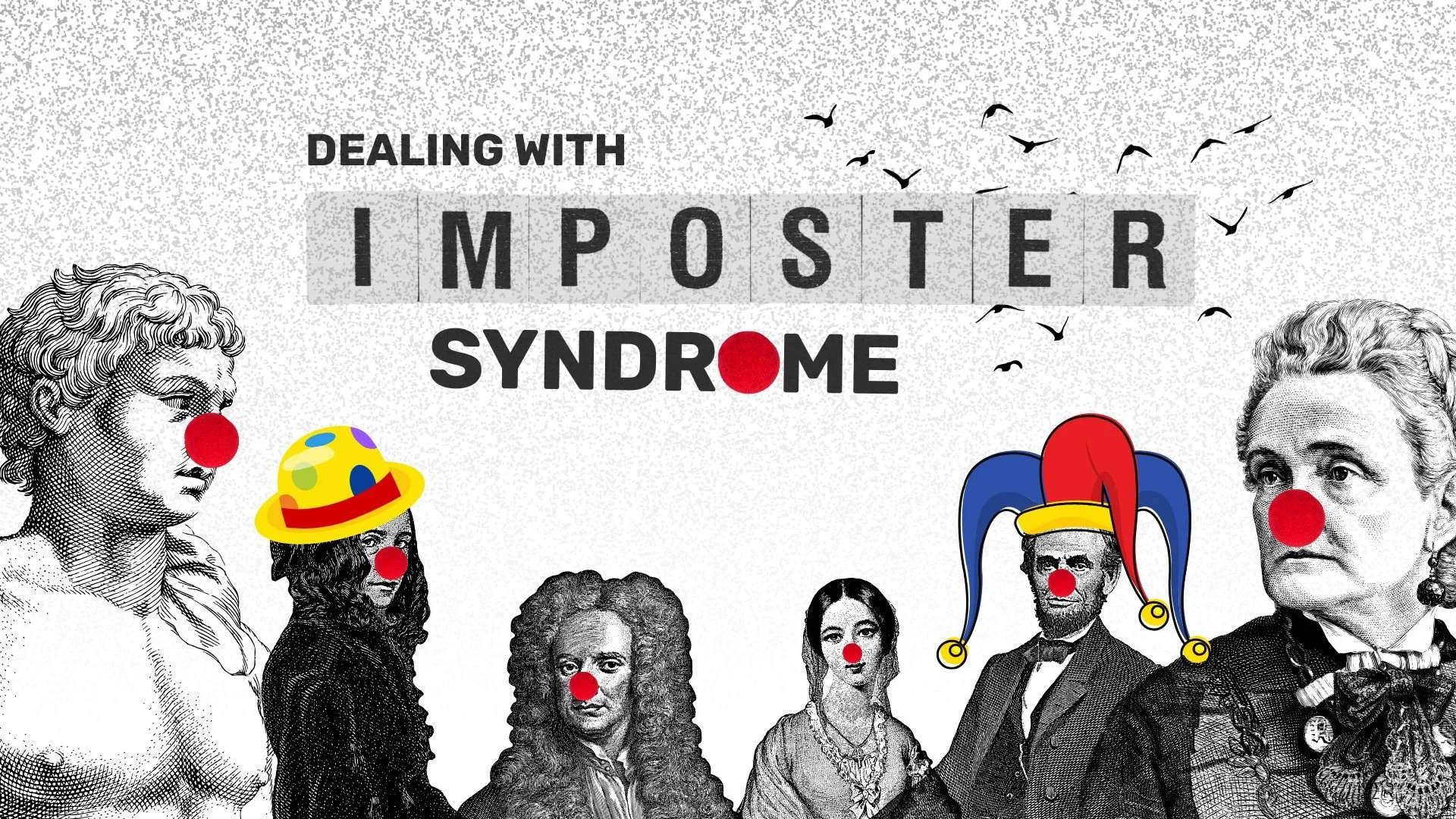
There’s a quiet, persistent voice that follows many people who care deeply about their work. It doesn’t yell. It whispers: “You don’t really belong here, do you?” This is the voice of imposter syndrome. This entry is a reflection on what it means to carry this voice. What it takes to shift our relationship with it. To understand the (often invisible) mechanics of feeling like a fraud, even when there’s proof you’re not.

If you’re just starting out with science communication, this entry is for you. I'll be sharing the path that led me from marine biology to creative storytelling, and the core framework I now teach to scientists to start their own communication journey. That framework is divided into two parts: 1. starting from your strengths and 2. connecting with the people who matter.

Here’s what you can learn from watching Ocean with David Attenborough: it was a masterclass in storytelling. I found myself caught in a loop of emotions: wonder at the beauty of marine life, despair for its destruction and hope for what’s still possible. But it was the way the film used narrative structures that kept me on the edge of my seat. Instead of a review, I prepped this “creator breakdown”, to show how we can adapt these narrative structures and storytelling tools into our own climate or science messages.

Many of us are told to niche down, become specialists…. but in climate and science communication, having a broad knowledge base can actually be a strength. This entry is to make a case for the generalists among us. The translators and bridge builders, as I like to call them. People who dare to think beyond current systems and expertise. If you’ve ever felt “not specialized enough,” you might be exactly what this field needs.

Every year around this time, inboxes fill with the same messages: a veggie challenge, swap your coffee cups for reusables, buy local produce, eat locally. And while these things matter (a lot), they tend to frame climate action as an annual checklist. Well, Earth Day is here again pretty soon, and this time we’re collaborating with EARTHDAY.ORG to shift that conversation.
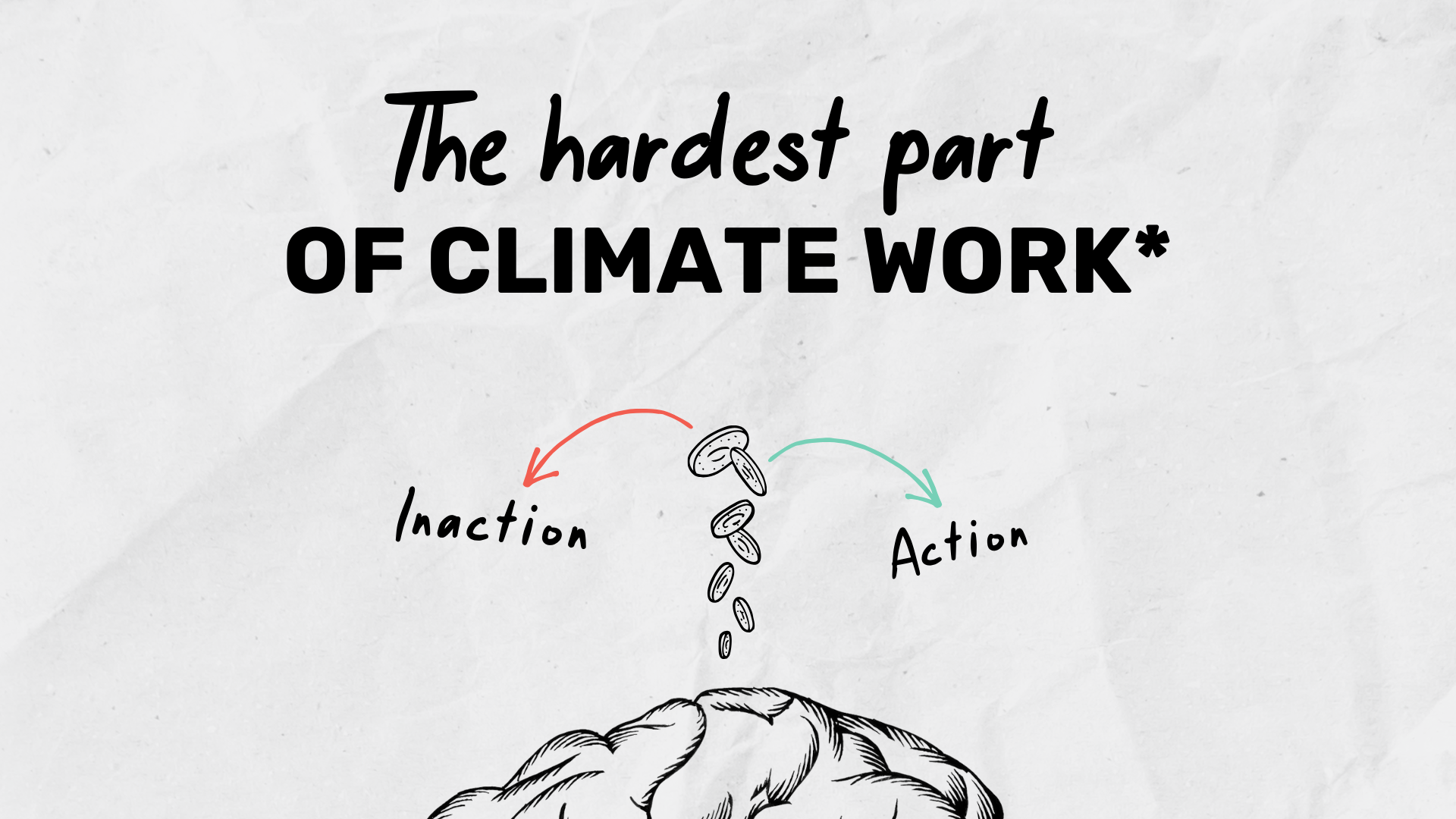
Some of you might recognize this sentiment: "I'm not sure if I can continue. I worked so hard for the cause, but it all seems to be for nothing nowadays". It's a vibe our field has been hit with... hard. Let's dissect that through these 4 different lenses below.

What if we stopped trying to convince and instead started connecting? In this entry we'll look at creating campaigns with impact. How changing behavior starts with the way you talk to your target audience.

Seriously, what do you call a creator who integrates climate and environmental themes into their storytelling? No, this is not the start of a joke, but a niche with an identity crisis.

If you’re a climate communicator, an activist or just a human trying to make sense of it all, it’s easy to feel consumed by the chaos. We'll take a look at how we can find back our peace and calm. Anxiety can be overwhelming, but that doesn't mean there is no light at the end of the tunnel.
If you’re a climate communicator, an activist or just a human trying to make sense of it all, it’s easy to feel consumed by the chaos. We'll take a look at how we can find back our peace and calm. Anxiety can be overwhelming, but that doesn't mean there is no light at the end of the tunnel.
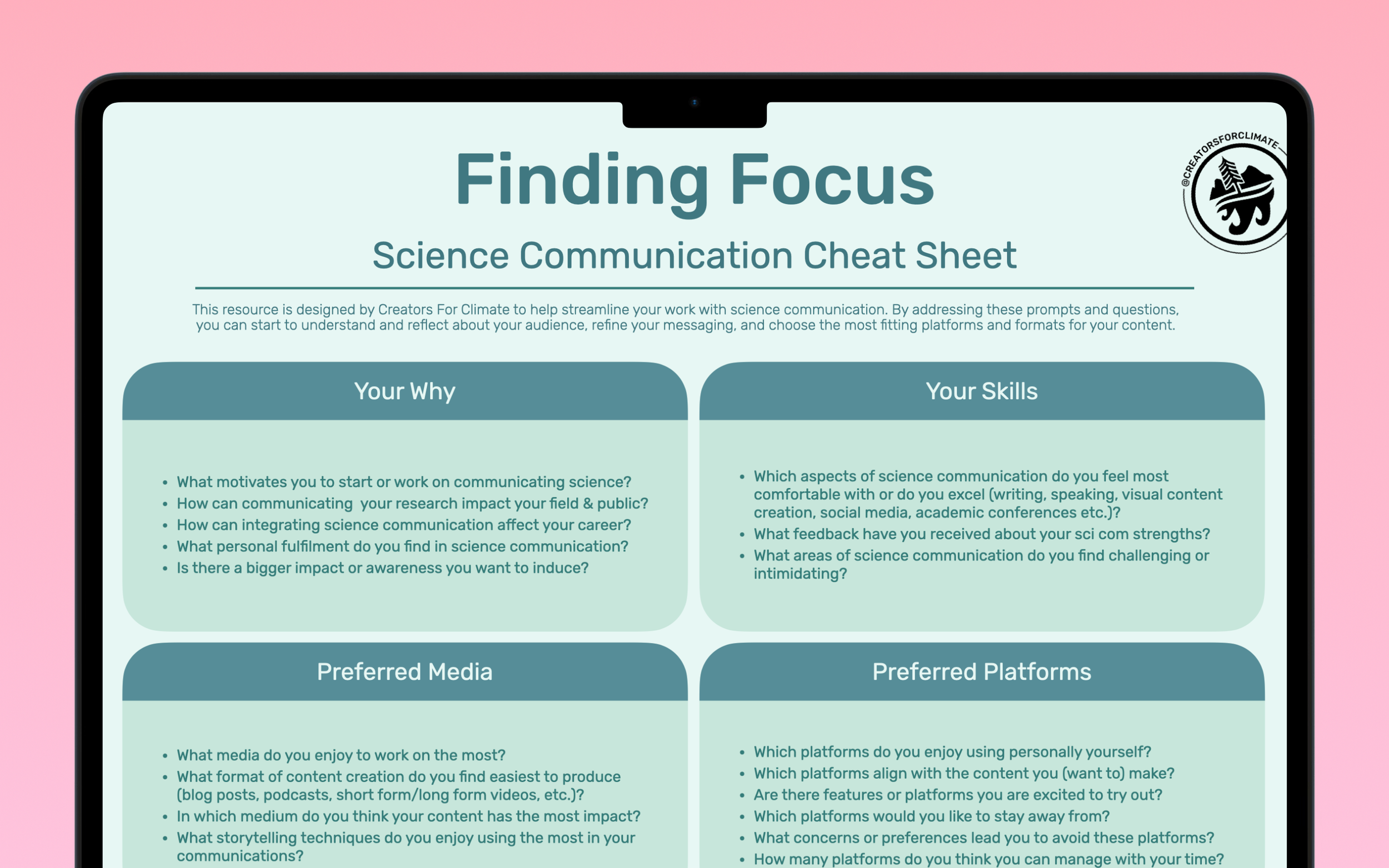
What makes those big name creators and science communicators more successful than others? It’s a question I’ve been racking my brain over for the past decade and I decided to do some digging. This blog dives into the key aspects that all these ‘personal brands’ have in common: Focus in their work, knowing their audience in and out and adapting their communication style to fit their audience.

In this post we’ll look at a practical exercise designed to help scientists and researchers create engaging social media content from their work. We’ll see how you can brainstorm possible topics to talk about or even better, come up with a bunch of ideas that you can turn into social media content. Let’s get started!

Carousel and slide posts, many people love them, we science communicators should adore them. These posts are essentially a modern day slideshow and are especially useful for presenting complex scientific topics in a format that is easy to digest and visually engaging. With this blog let’s explore how to create these ‘carousels’, and how you can turn those traditional science posters into actual engaging social media posts using the AIDA method.
Introducing a class to learn more about academic presenting. As partner of the RALDE project, Creators For Climate got to collaborate on creating a course with the focus on disseminating scientific
research. With this course we got to sit down with students and teachers, to understand the needs and especially the pains when it comes to presenting your research to the scientific community. We went back to the basics and created an online course that will get you started, wherever you are in your presenting journey. So let’s see what you can expect from these lessons.

Ever since the pandemic I’ve found myself curious as to why someone might hold such a strong belief into these wild theories. Interacting with these ‘Facebook warriors’, friends and even family, I asked myself how we can have conversations to address some objective truths that won’t lead into name calling and verbal abuse. In this article, I’m going to share some insights I picked up about the world of conspiracy theories, exploring their impact on our sense of belonging. What can we learn about the people behind the conspiracy?

Climate change is undeniably one of the most pressing issues of our era. While the scientific community is hard at work researching and understanding the intricacies of this global challenge, there's another equally crucial task at hand: communicating these findings to the public. In this article, we’ll take a plunge into the significance of science communication in addressing climate change and some tools you can use in the collective fight against this, existential, threat.

For many scientists, especially aspiring PhDs and young researchers, the journey of science communication is filled with challenges. Conveying complex ideas in an accessible manner can often feel like translating a foreign language. But there is hope! When you know what will hold you back or slow you down, you can start to think ahead. With the right strategies in place, these hurdles can be transformed into stepping stones. Let's look into some common challenges faced by us science communicators and explore how to solve them.

Have you ever wondered how your favourite creators manage to consistently deliver great content? Why is it that some individuals seem to effortlessly produce a constant stream of articles, videos, or podcasts while others struggle to even start? The truth is, creating content on a consistent basis requires more than just sheer motivation and dedication; it is a mindset rooted in discipline, adaptability, and passion. But… you can learn to incorporate it into your own workflow!
Navigating the world of science communication can be a rewarding journey, yet challenging if you don’t know where to start. I want to take you through the thought processes you have to go through while you are making content about a certain topic. Let’s start at the start:

The first question I hear most about starting with science communication is: WHERE DO I EVEN START? Today it seems like the platforms for sci com are as diverse as the topics they cover. From traditional print to the dynamic world of social media, each platform offers unique opportunities… and challenges. But how do you choose the right platform for your science content?
You might have heard this before: the message is only half the equation. The other half? That could very well be your audience. In science communication, understanding who you're communicating to is a key concept that is often overlooked. It’s shaping not only your content but also the delivery, tone, and medium of your message.

Finding your unique voice can be both a challenge and an adventure. It will lead you to be your authentic self, whatever the medium you choose. With so many platforms available, how can you ensure that your message stands out, resonates, and makes a lasting impact? This journey of self-discovery does require some introspection, experimentation, and a dash of creativity. So let's delve into some actionable tips and techniques to help you use your personal strengths in communicating science. Because your voice matters!

Science communication has undergone a profound transformation over the years. From the professional halls of academia to the noisy world of social media. The way we communicate scientific findings has evolved to meet the changing needs of society. One of my professors told me: to know where you are going, you need to know what came before you. So let’s have a look at the evolution of science communication.
I remember advocating for more science communication classes back when I was in university. With everything that has been happening in the world, good and bad, we can safely say science communication plays an instrumental role in bringing our beloved science to the general public. It gives us scientists the ability to translate complex systems and processes into bitesized and digestible pieces of information. But… how?